Introduction
Refractories are critical materials used in high-temperature environments, such as Steel Fibres furnaces, kilns, and reactors. They serve as a barrier protecting structures from extreme heat and corrosive elements. One of the exciting advancements in refractory technology is the incorporation of steel fibres. These fibres enhance mechanical properties, thermal performance, and overall durability. This article dives deep into Exploring the Relationship Between Steel Fibre Content and Performance in Refractories, analyzing how varying steel fibre content affects the performance metrics of refractories.
Steel Fibres: An Overview
What are Steel Fibres?
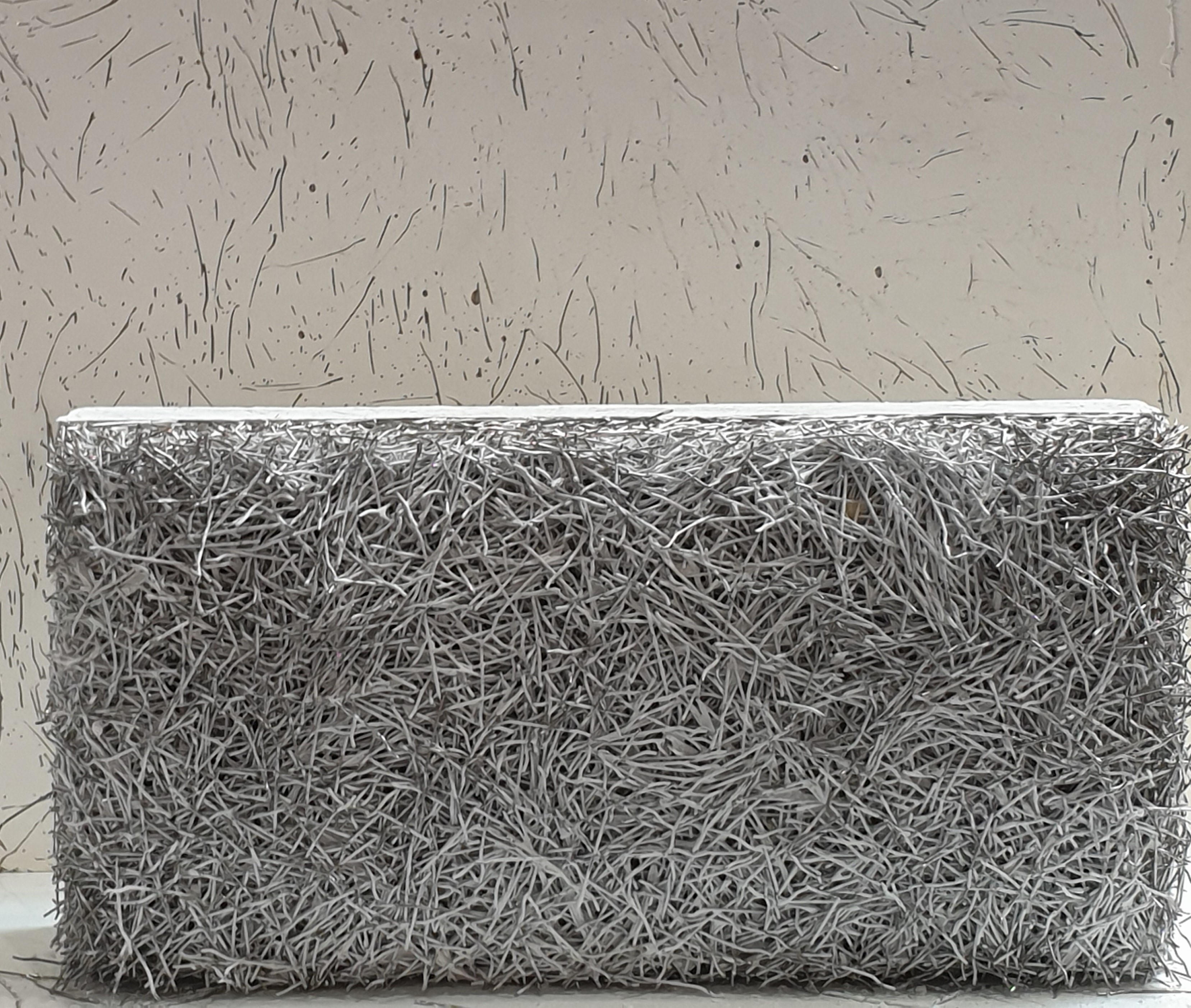
Steel fibres are small, discrete pieces of steel that can be added to concrete or refractory mixtures to improve their structural integrity. Their use has gained traction due to their ability to provide reinforcement without altering the fundamental properties of the material significantly.
Types of Steel Fibres
Hooked End Steel Fibres: These have a hooked end that provides a better bond with the matrix. Straight Steel Fibres: These are simple cylindrical shapes that offer flexibility in design. Crimped Steel Fibres: Featuring deformations along their length, these fibres improve bonding within the matrix.Applications in Refractories
Steel fibres are primarily used in applications where enhanced thermal shock resistance, flexural strength, and durability are required. Industries like steelmaking, glass production, and petrochemical sectors utilize these materials extensively.
The Role of Steel Fibre Content in Refractory Performance
Understanding Performance Metrics
When assessing refractories reinforced with steel fibres, several key performance metrics come into play:
- Flexural Strength: The ability of a material to withstand bending forces. Thermal Shock Resistance: The capacity to resist damage caused by rapid temperature changes. Durability: Longevity under operational conditions.
Impact of Varying Steel Fibre Content on Flexural Strength
Increasing steel fibre content generally improves flexural strength due to enhanced load distribution within the refractory matrix. Research indicates that:
- A low content (up to 0.5% by volume) may provide marginal improvements. Moderate content (around 1%) shows significant enhancements. Excessive fibre content (above 2%) could lead to diminishing returns.
Exploring Thermal Shock Resistance with Steel Fibres
Thermal shock resistance is crucial for refractories Steel Fibres exposed to sudden temperature fluctuations. Higher steel fibre content typically translates into improved resistance owing to:
- Enhanced crack bridging capabilities. Increased energy absorption during thermal cycling.
However, there's an optimum point beyond which additional fibres may not yield further benefits.
Durability Enhancements through Steel Fibre Reinforcement
Durability is another essential aspect where steel fibres make a difference. By improving microstructural integrity and reducing porosity levels, they contribute significantly to wear resistance under harsh operational conditions.
Mechanisms Behind Performance Improvements with Steel Fibres
Crack Bridging Mechanism
One primary mechanism through which steel fibres enhance performance is crack bridging. When cracks form during thermal stress or mechanical loading:
- The presence of steel fibres helps bridge these cracks. This action delays propagation and enhances material longevity.
Energy Absorption Capacity
Steel fibres also improve energy absorption capacity during deformation events:
- This property is critical in environments subject to dynamic loads or impacts. With an increase in fibre content, refractories can absorb more energy before failing.
Design Considerations for Incorporating Steel Fibres in Refractories
Mix Design Optimization
The mix design process must consider various factors when integrating steel fibres:
Type and size of steel fibres Total volume fraction Interaction with other componentsCareful balance ensures optimal performance without compromising workability.
Manufacturing Techniques for Enhanced Bonding
Different manufacturing techniques can influence how well steel fibres bond with the refractory matrix:
- Mechanical mixing vs. hand mixing Use of additives to promote bonding
Each technique comes with its advantages and potential drawbacks.
Case Studies: Real-world Applications of Steel Fibred Refractories
Steelmaking Industry Applications
In electric arc furnaces (EAFs), using steel fibred refractories has led to improved lifespans due to enhanced thermal shock resistance and reduced wear rates from molten metal splashes.
Glass Manufacturing Insights
Glass melting furnaces have benefited from incorporating steel fibres by achieving better structural stability at high temperatures while minimizing maintenance needs.

Challenges Associated with High Steel Fibre Content in Refractories
While increasing steel fibre content offers numerous benefits, it’s not without challenges:
Potential for increased brittleness at excessive levels Higher costs associated with raw materials Compatibility issues with other materialsAddressing these challenges requires thoughtful consideration during design phases.
Future Trends in Refractory Technology Involving Steel Fibres
Innovative Materials Development
Researchers are exploring new types of hybrid composites combining different fibre types alongside steel for enhanced performance characteristics.
Sustainability Considerations in Production Processes
With an increasing focus on sustainability, future developments may involve recycled or eco-friendly alternatives for producing both refractories and reinforcing materials like steel fibres.
FAQs
FAQ 1: What are the key advantages of using steel fibres in refractories?
Using steel fibers enhances mechanical properties like flexural strength and thermal shock resistance while improving overall durability against wear and tear.
FAQ 2: How does varying fibre content affect refractory performance?
Concrete ReinforcementLower fiber contents may provide minimal benefits; however, moderate contents typically yield significant improvements until reaching a saturation point where excess fibers do not further enhance performance.
FAQ 3: Are there any downsides to using high amounts of steel fibers?
Yes! Excessive fiber inclusion can lead to increased brittleness and higher costs without substantial performance benefits beyond certain thresholds.
FAQ 4: What industries benefit most from fibred refractories?
Industries such as metallurgy (steel production), glass manufacturing, petrochemicals, ceramics all benefit significantly from fibred refractory applications due to their specific thermal demands.
FAQ 5: How do manufacturing techniques impact fiber bonding?
Techniques like mechanical mixing versus hand mixing can affect distribution uniformity within mixtures resulting directly influencing bonding efficiency between fibers & matrix material!
FAQ 6: What future trends should we look out for regarding fibred refraction technology?
Expect innovations focusing on hybrid composites combining various fiber types alongside sustainability initiatives aimed towards greener production processes!
Conclusion
The exploration surrounding Exploring the Relationship Between Steel Fibre Content and Performance in Refractories reveals a complex interplay between material properties that influence real-world applications across multiple industries. As advancements continue within this field—both technologically-driven innovations alongside sustainable practices—the efficacy brought forth by incorporating varied levels/types will likely shape future endeavors within refractory development paving paths towards robust solutions meeting modern-day demands while enhancing longevity & operational efficiency!